


The Memory of the Vıne: A HerItage Rooted In the SoIl of CappadocIa
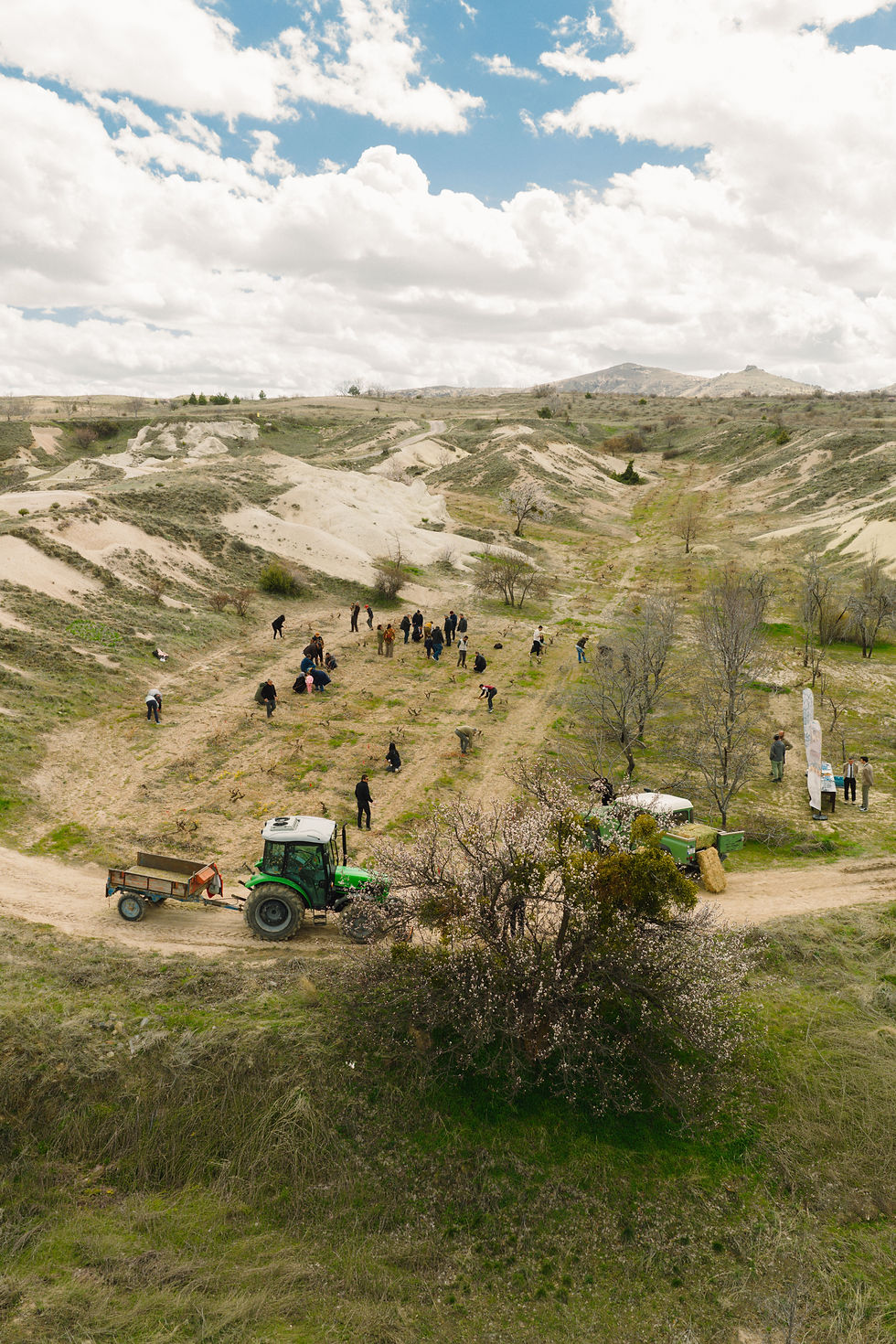
Viticulture in Cappadocia is not merely an agricultural practice or a winemaking tradition; it is a deeply rooted way of life that has shaped the region’s socio-economic and cultural fabric for centuries. The unique composition of its volcanic soils, the gentle transitions of its climate, and the accumulated knowledge passed down through generations give the grapes grown here a truly distinctive character. The Emir grape, in particular, stands out as one of the region’s most authentic legacies, symbolizing Cappadocia’s enduring winemaking tradition.
The structure of the soil, the balanced climate, and traditional production methods are the primary factors that determine the aroma and quality of the grapes. Moreover, the region’s easily carved volcanic rock has historically enabled the creation of natural cellars, supporting both the production and preservation of wine. This is why indigenous Anatolian varieties—such as Öküzgözü, Kalecik Karası, Boğazkere, Narince, and Emir—as well as international grapes like Cabernet Sauvignon, Chardonnay, and Sauvignon Blanc, develop such rich and full-bodied profiles in this unique terroir.
However, in Cappadocia, the story of the grape extends far beyond the journey from vine to wine. During harvest seasons, women gather to transform grapes into traditional products such as grape juice (şıra), molasses (pekmez), and köftür. Through this collective process, they not only contribute to household economies but also sustain an invaluable cultural heritage. This production practice becomes a vital social tradition that strengthens solidarity and reinforces community bonds.
Today, however, this rich heritage faces the risk of gradual disappearance due to changing lifestyles and production habits. Yet, the vineyards of Cappadocia represent a multi-layered value where land, labor, and culture converge—and they deserve to be preserved and revitalized.
As the children and inheritors of this land, we must sustain our vineyards and viticultural practices and take on the responsibilities this entails. As tourism professionals, we must safeguard our culture and accumulated knowledge—the very fuel of the tourism industry. As citizens, we must ensure that this golden heritage, which we will pass on to future generations, is not forgotten. And as institutions, we must implement the necessary initiatives and take concrete measures to protect our vineyards.


Comments